|
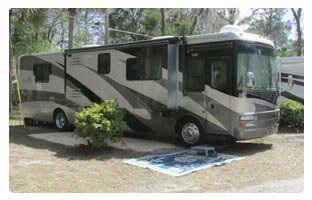
$20/night
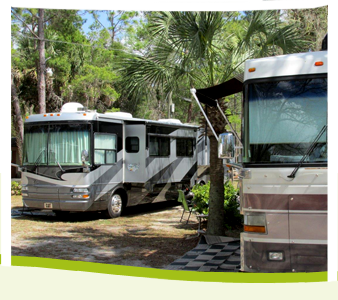
Full Hookups
Special Deal
$250/month plus electric & tax

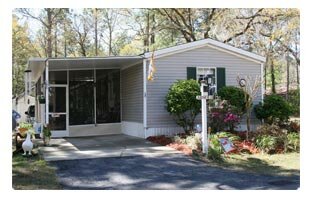
Adjacent Adult Mobile
Home Park
with
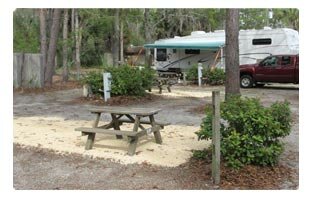
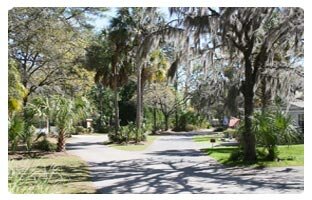
Large Wooded Lots
|
     |
|||||||||||||||
  |
How to Evaluate a Private International Boarding School in Switzerland: A Parent’s Honest ReflectionThe decision to send your child away is never easy. It feels like tearing a piece of your heart out and placing it in a suitcase. You stand in the hallway, watching them pack their favorite hoodie for the third time, and you wonder if you are making the right choice. For many families, the answer lies in finding a private international boarding school in Switzerland that feels less like an institution and more like a second home. But how do you truly know if it’s the right fit? It is not just about rankings or university acceptances. It is about whether your child will thrive, not just survive. Beyond the Brochure: The Reality of Daily LifeBrochures show smiling children in crisp uniforms against a backdrop of snow-capped peaks. They do not show the 6:30 AM wake-up call when it is still dark outside, or the quiet tears during the first week of homesickness. I remember visiting La Garenne and noticing something unusual. It wasn’t the grandeur of the facilities, though they were impressive. It was the silence. Not an empty silence, but a calm one. Students were studying in small groups, chatting softly, or reading by the window. There was no chaotic shouting, no sense of rush. This atmosphere matters. In a place where students come from over 30 different countries, the pressure to fit in can be overwhelming. But when classes are small—averaging just 8 to 12 students—it changes the dynamic. Teachers know every name, every strength, and every struggle. They notice when a student is quiet not because they are shy, but because they are thinking deeply. This level of attention is rare. It allows for a genuine connection between educator and learner, which is often lost in larger systems.
The Emotional Landscape: Safety vs. GrowthParents often worry about safety. And rightly so. But safety is not just about guarded gates and security cameras. It is about emotional safety. Will my child feel safe enough to make a mistake? To fail a test? To try a new sport and look foolish? In a high-pressure academic environment, failure can feel catastrophic. However, in a setting that prioritizes well-being, failure becomes a lesson. I spoke with a house parent who described how they handle conflicts among students. It is not about punishment. It is about dialogue. Understanding why a child acted out, helping them process their emotions, and guiding them toward a resolution. This approach builds resilience, not fear. The location plays a role too. Being in an ecologically clean region of Switzerland, surrounded by nature, offers a natural therapy. Weekend hikes in the mountains, horseback riding through forests, or simply sitting by a lake—these activities are not just extras. They are essential for mental health. They provide a break from screens and academic stress, allowing children to reconnect with themselves. Academic Rigor Meets Personal PassionAcademics are important, of course. The Swiss Matura, IB, and American diploma options provide rigorous pathways to top universities. But what struck me was how these programs are delivered. It is not rote memorization. It is critical thinking, debate, and exploration. Students are encouraged to pursue their passions, whether that is robotics, classical piano, or environmental science. The small class sizes mean that a student interested in art can have deep discussions with their teacher, rather than being just another face in a lecture hall.
Choosing a boarding school is a leap of faith. You cannot predict exactly how your child will change. They might come back more independent, more confident, or perhaps a bit more serious. But if you choose a place that values them as individuals, not just as students, the growth will be profound. It is about finding a community that sees your child’s potential before they even see it themselves. And honestly, that is worth every moment of doubt. |
|||||||||||||||
 |
  |
Village Pines 
8053 SE 140th Lane, Inglis, FL 34449-9602 United States
Office: 352-447-2777
Cell: 352-239-0415
Office: 352-447-2777
Cell: 352-239-0415
 |
|
 |